
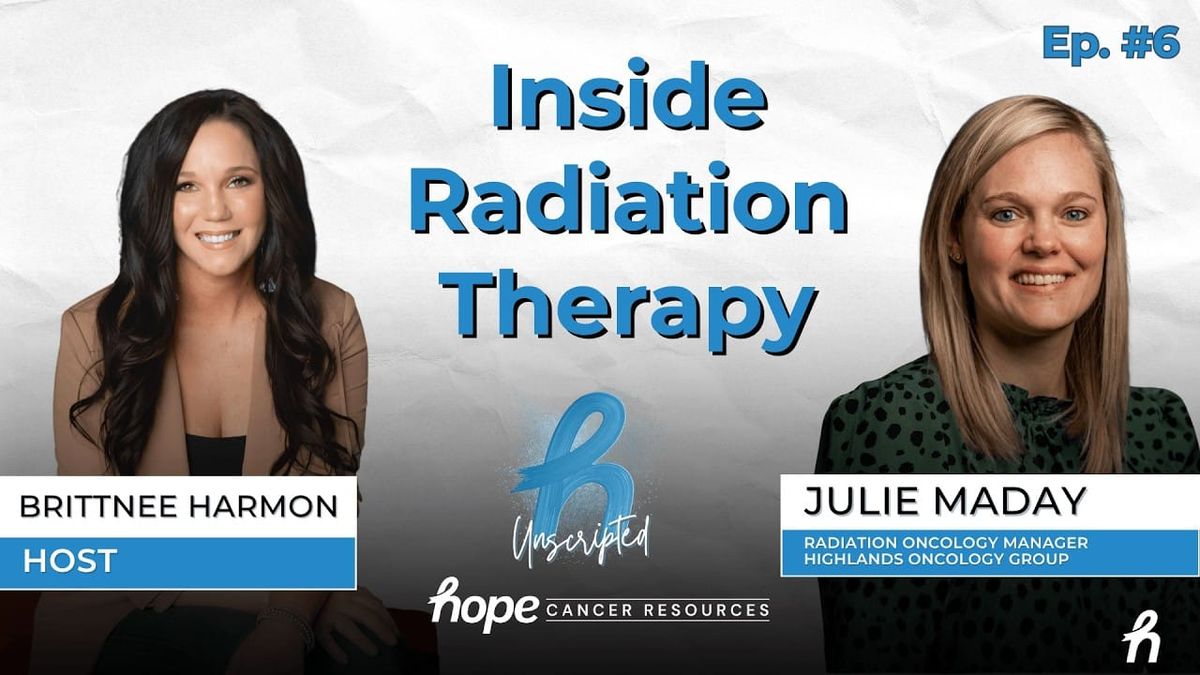
Radiation therapy has a reputation it no longer deserves. When someone hears they “need radiation,” the mind jumps to worst-case stories, dramatic machines, and side effects that feel inevitable. We wanted the facts, so we sat down with Julie Maday, radiology clinic manager at Highlands Oncology, to translate the process into plain language and calm some of the fear that shows up the moment people start Googling.
We talk through the difference between radiology and radiation, why imaging like CT scans and MRIs is the backbone of cancer care, and how radiation treatment has become incredibly site-specific. Julie explains what the linear accelerator is actually like, what patients typically feel during treatment, and why the first visit is often a planning CT rather than “day one.” We also dig into the hidden precision work: dosimetrists building custom plans, physicists verifying accuracy, and therapists using daily X-rays to align treatment within millimeters.
Beyond the technology, we spend time on the human side of cancer treatment. Julie shares how anxiety and anger can peak before the first session, how therapists support patients through humor and steady routines, and why protecting independence can be just as important as comfort. We also answer a question we hear all the time: after external beam radiation therapy, are you radioactive, can you hug your family, and what does “radioactive” even mean?
If this helped you, subscribe so you don’t miss future conversations, share it with someone facing radiation therapy, and leave a review to help more people find Hope Unscripted. What question about radiation or cancer screening do you want us to tackle next?
Ep. 6 - Radiation Therapy: Myths, Facts, and What Really Happens
Written by:

Member discussion: